When Should You Get Your Child Braces? | Edwards Family Dental


When Should Your Child Start Orthodontic Treatment?
The American Association of Orthodontists recommends the first orthodontic evaluation by age 7, and there's compelling science behind this timing that surprises most parents. By age 7, your child's first permanent molars and incisors have typically emerged, providing crucial information about jaw development and tooth eruption patterns that simply isn't available earlier. This early timing isn't about rushing into treatment. It's about creating a roadmap for your child's smile development while the most treatment options remain available.
Many parents worry about the complexity and cost of orthodontic treatment, but understanding optimal timing actually helps you make more informed decisions and often reduces both treatment duration and expense. Dr. Edwards has spent over 30 years helping Dublin families navigate this process, from those initial questions about whether treatment is needed to understanding what different approaches involve. We've found that parents feel most confident when they understand not just the when but the why behind orthodontic recommendations.
What you'll discover in this guide addresses the real concerns we hear from parents: when evaluation makes sense, what signs suggest your child might benefit from treatment, how to choose between different approaches, and what investment you can expect. Call us at (614) 761-7666 to schedule your child's evaluation and get personalized answers about their specific development timeline.
Quick Overview
- Best age for your child's first consultation: Age 7, when first permanent molars and incisors emerge and treatment options remain most flexible
- Early treatment benefits: Phase 1 treatment can prevent complex problems and often eliminates the need for tooth extractions
- Treatment duration: Most children wear braces for 18-24 months, with timelines varying by your child's specific needs
- Baby teeth protection: Premature loss increases permanent tooth crowding by 70%
- Family-focused guidance: Dr. Edwards' 30+ years helping Dublin families navigate orthodontic decisions with honesty and care
What Is the Best Age for Your Child to Start Orthodontic Treatment?
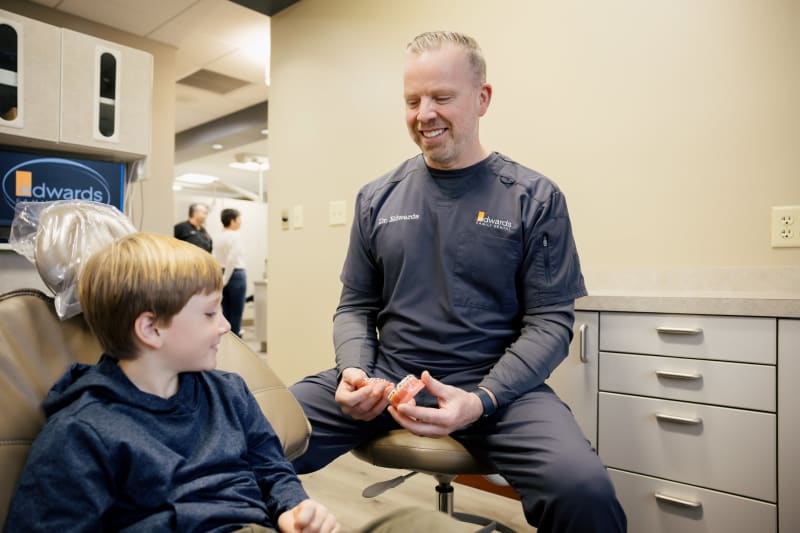
Age 7 represents the optimal time for your child's first orthodontic evaluation, coinciding with peak growth periods when your child's jaw development is most responsive to gentle guidance. Between ages 7-11, children experience rapid facial growth that allows us to influence jaw positioning and create space for permanent teeth more effectively than during any other developmental stage.
We understand many parents worry about whether they're making the right timing decision for their child. This early evaluation provides crucial information about your child's development trajectory without committing to immediate treatment. Think of it like checking the foundation of a house while it's still being built. We can spot potential problems and make gentle corrections before the structure is complete. When permanent molars and incisors emerge, they reveal how your child's bite is developing and whether intervention will be necessary.
The best age for actual treatment varies significantly based on your child's individual development patterns. Some children benefit from early intervention between ages 7-10, while others do better waiting until ages 11-14 when all permanent teeth have erupted.
What Signs Indicate Your Child Needs Braces or Orthodontic Evaluation?
Many orthodontic problems aren't obvious to parents but become increasingly difficult to correct as children grow. Recognizing these warning signs helps you determine when professional evaluation makes sense for your child's smile.
Watch for these specific indicators that suggest your child would benefit from professional orthodontic evaluation:
- Crowding or spacing issues: Teeth that overlap by more than 2mm or gaps larger than 2mm between teeth typically require intervention. Take photos from the front and side to track changes over time
- Bite problems: Upper teeth that protrude more than 4mm beyond lower teeth, or lower teeth that bite in front of upper teeth. Children with protruding teeth face higher injury risk during sports and play
- Difficulty chewing: Consistent chewing on one side or struggling to bite through foods like apples or sandwiches. This often indicates bite alignment issues that affect nutrition
- Mouth breathing: Chronic open-mouth posture, especially during sleep, can indicate airway issues affecting jaw development and sleep quality
- Early or late tooth loss: Baby teeth lost before age 4 or after age 8 often signal developmental concerns that benefit from monitoring
- Jaw sounds or pain: Clicking, popping, or discomfort when opening and closing the mouth
- Facial asymmetry: Noticeable differences in jaw size or position when viewed from the front
Speech difficulties beyond age 7, particularly trouble with "s," "sh," or "th" sounds, often indicate bite problems that benefit from orthodontic correction. These symptoms warrant professional evaluation even if your child's teeth appear straight. Dr. Edwards has found that parents who trust their instincts and seek early evaluation often give their children the best outcomes. If you notice any of these signs in your child, contact our experienced pediatric dental team at (614) 761-7666 to schedule an evaluation.
What Happens During Your Child's First Orthodontist Consultation?
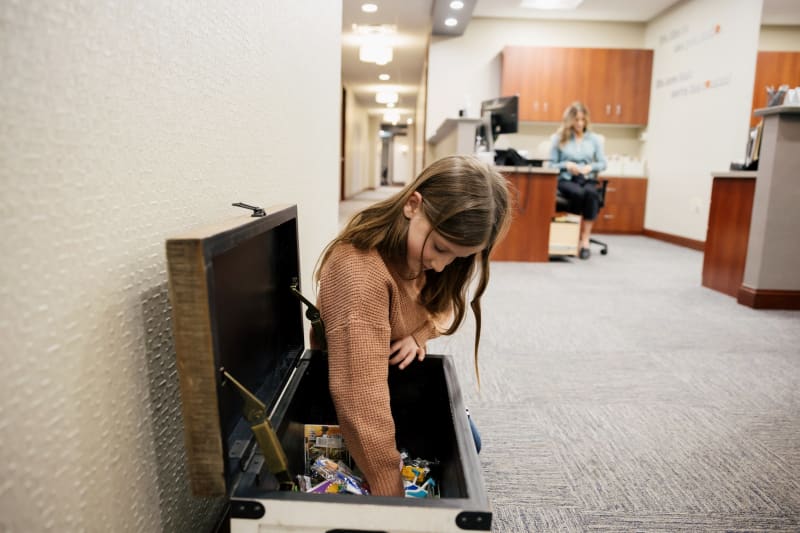
Understanding the consultation process helps both you and your child feel prepared and comfortable. The initial visit is comprehensive but designed to be stress-free, focusing on gathering information rather than making immediate treatment decisions. We provide complimentary orthodontic evaluations because we believe every child deserves proper assessment regardless of financial concerns.
The consultation begins with a detailed medical and dental history review, including any concerns you've observed at home. We encourage parents to bring a list of questions because no concern is too small when it comes to your child's development. The clinical examination follows, checking how your child's teeth fit together, assessing jaw joint function, and evaluating facial symmetry and proportions. Digital X-rays may be taken to reveal the position of unerupted permanent teeth and help assess jaw development patterns.
A thorough consultation includes:
- Clinical examination: Assessment of bite, alignment, jaw function, and facial development
- Diagnostic records: X-rays, photographs, and impressions as needed
- Findings discussion: Clear explanation of observations and treatment recommendations
- Treatment planning: Timeline options and next steps tailored to your child's specific needs
- Initial guidance: Whether your child needs immediate treatment, monitoring, or should wait
Which Is Better for Your Child: Braces vs Clear Aligners?
The choice between traditional braces and clear aligners depends on your child's age, case complexity, and responsibility level. Each option has distinct advantages that make it better suited for different situations and developmental stages.
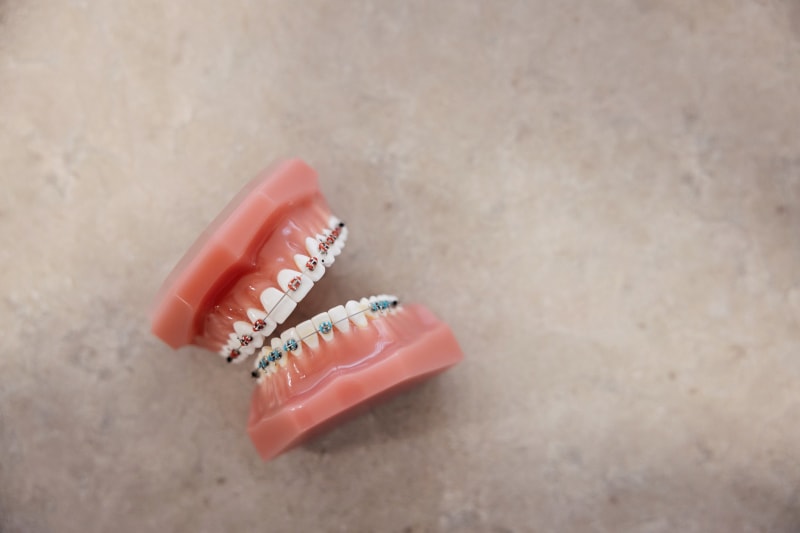
Traditional braces remain the most versatile and predictable option, especially for children under 12 or complex cases involving significant bite correction. They work continuously without requiring compliance beyond good oral hygiene and dietary awareness. Modern braces are smaller and more comfortable than previous generations, with colorful band options that many children actually enjoy choosing.
Clear aligners can be excellent for responsible teens with mild to moderate alignment issues, though they do require significant commitment. The aligners are nearly invisible and removable for eating and sports, but success depends entirely on wearing them 20-22 hours daily. Many parents underestimate this compliance challenge. Missing even a few hours daily can extend treatment significantly.
Understanding which option works best for different ages helps you set realistic expectations:
- Ages 7-11 (Phase 1 treatment): Traditional braces or specialized appliances are most effective for guiding jaw development and creating space
- Ages 11-14 (comprehensive treatment): Both options work well; choice depends on case complexity, your child's maturity level, and your family's budget considerations
- Ages 14+ (teen treatment): Clear aligners become more viable for appropriate cases, particularly when teens are motivated by the aesthetic advantage
Dr. Edwards evaluates each child's specific needs, lifestyle, and maturity level to recommend the most appropriate orthodontic option. With 30 years of experience treating Dublin families, he understands that the best choice varies significantly from child to child. Call us at (614) 761-7666 to discuss which treatment approach aligns with your child's needs and your family's priorities.
Should I Choose Early Treatment or Wait?
One of the most important decisions you'll face is whether to pursue early intervention or wait for comprehensive treatment. The choice depends on your child's specific developmental needs and whether problems will worsen without intervention.
Phase 1 treatment between ages 7-10 targets specific issues that become more complex if left untreated. Research shows early intervention can reduce comprehensive treatment time by 6-12 months and often eliminates the need for tooth extractions. However, approximately 60% of children don't need Phase 1 treatment.
For children who don't require early intervention, monitoring development and waiting for comprehensive treatment during the teen years proves more appropriate. This approach allows all permanent teeth to erupt and often results in more efficient treatment with a single phase of braces.
We believe in honest, conservative treatment recommendations. We only suggest early intervention when it genuinely benefits your child's development. Dr. Edwards takes time during consultations to explain exactly why he's recommending a particular timeline, showing you the specific developmental factors that influence his recommendation.
Questions to ask during your consultation:
- What specific problems would early treatment address for my child?
- What happens if we wait? Will the problems worsen or stay the same?
- How would early treatment affect the total duration of orthodontic care?
- What would you recommend for your own child in this situation?
Clear indicators for early treatment include:
- Severe crowding: Less than 4mm of space available for erupting permanent teeth
- Crossbites: Back teeth that don't align properly, potentially affecting jaw growth
- Significant protrusion: Front teeth extending more than 6mm beyond lower teeth
- Jaw growth discrepancies: Upper or lower jaw significantly too small or too large
Ready to discuss your child's specific timeline? Call (614) 761-7666 to schedule a consultation where we can evaluate their development and explain our recommendations in detail.
How Do Baby Teeth Problems Affect Your Child's Permanent Teeth?
Your child's baby teeth serve as natural space maintainers, like placeholders in a parking lot, guiding permanent teeth into proper positions as they erupt. When these primary teeth are lost prematurely due to decay or injury, permanent teeth can shift into incorrect positions. Research shows that children who lose baby teeth more than one year early experience 70% more crowding in their permanent teeth.
Preventing cavities in baby teeth protects your child's future smile development and can prevent the need for more extensive orthodontic intervention later.
Specific ways baby teeth problems affect your child's permanent alignment:
- Premature loss: Adjacent teeth drift into the space, blocking permanent tooth eruption paths. This shifting typically begins within 6 months of tooth loss
- Prolonged retention: Baby teeth that don't fall out on schedule can cause permanent teeth to erupt in wrong positions or become impacted
- Infection damage: Severe decay or infection in baby teeth can damage developing permanent teeth underneath
- Habit-related damage: Thumb sucking or pacifier use beyond age 3 can influence permanent tooth development patterns
Space maintainers preserve proper spacing when baby teeth are lost early. These simple appliances typically cost $200-$400 and function as temporary bookmarks, keeping the right spot available until your child's permanent teeth are ready to erupt naturally.
Dr. Edwards works closely with families to monitor baby tooth development and recommend space maintainers when they make sense for your child's specific situation.
What If Your Child Is Afraid of Getting Braces?
Many children feel anxious about getting braces, and these concerns often stem from uncertainty about what to expect. Understanding the process helps both you and your child approach treatment with confidence rather than fear.
Start conversations early, focusing on the positive outcomes while being honest about the journey ahead. Explain how braces will help their teeth be healthier and give them a beautiful smile they'll love. Many children worry about pain, appearance changes, or eating restrictions. Addressing these specific concerns with factual information reduces anxiety more effectively than general reassurance.
Common fears and our honest responses:
- "Will it hurt?" Initial discomfort typically lasts 2-3 days and feels like pressure, not sharp pain. Over-the-counter pain relievers and soft foods help significantly
- "Will I look weird?" Today's braces are smaller and less noticeable than previous generations. Colored bands let children express their personality and feel more in control
- "What can't I eat?" Most foods remain available with minor modifications. Cut apples instead of biting whole, and avoid very sticky candies
- "Will people make fun of me?" Many classmates have braces too, and most children find the experience more normal than they expected
- "What if something breaks?" Orthodontic emergencies are rare and easily fixed. We provide clear instructions for handling any issues that arise
Building trust through honesty makes the biggest difference. Dr. Edwards has guided hundreds of Dublin families through orthodontic treatment over three decades, and we've found that children who understand the process feel more confident about their decision. For children with significant dental anxiety, we offer oral conscious sedation to ensure a comfortable experience from the very first appointment.
Creating Beautiful Smiles in Dublin and Beyond
The right timing for your child's orthodontic treatment creates the foundation for lifelong oral health and confidence. With the information in this guide, you can approach your child's consultation feeling prepared and knowing exactly what questions to ask.
Dr. Edwards has spent three decades helping Dublin families make these important decisions with confidence and compassion. Every consultation includes a thorough evaluation of your child's development, clear explanation of treatment options, and honest discussion of timing and investment. We treat your family like our own family, ensuring you move forward with complete understanding and peace of mind.
Ready to take the next step for your child's smile? Contact Edwards Family Dental at (614) 761-7666 to schedule your child's complimentary orthodontic consultation. We'll provide the personalized guidance your family deserves to make the best decision for your child's beautiful, healthy smile.

Staff 2005

Staff 2025

20 Year Celebration
Barbecue, ice cream truck, lawn games, freebies, meet & greet with Dr. Edwards, and more!
We Can’t Wait to Meet You!
Call 614-761-7666 or request an appointment online to set up your first visit. We’ll be in touch soon.