How to Tell if You Need Braces?
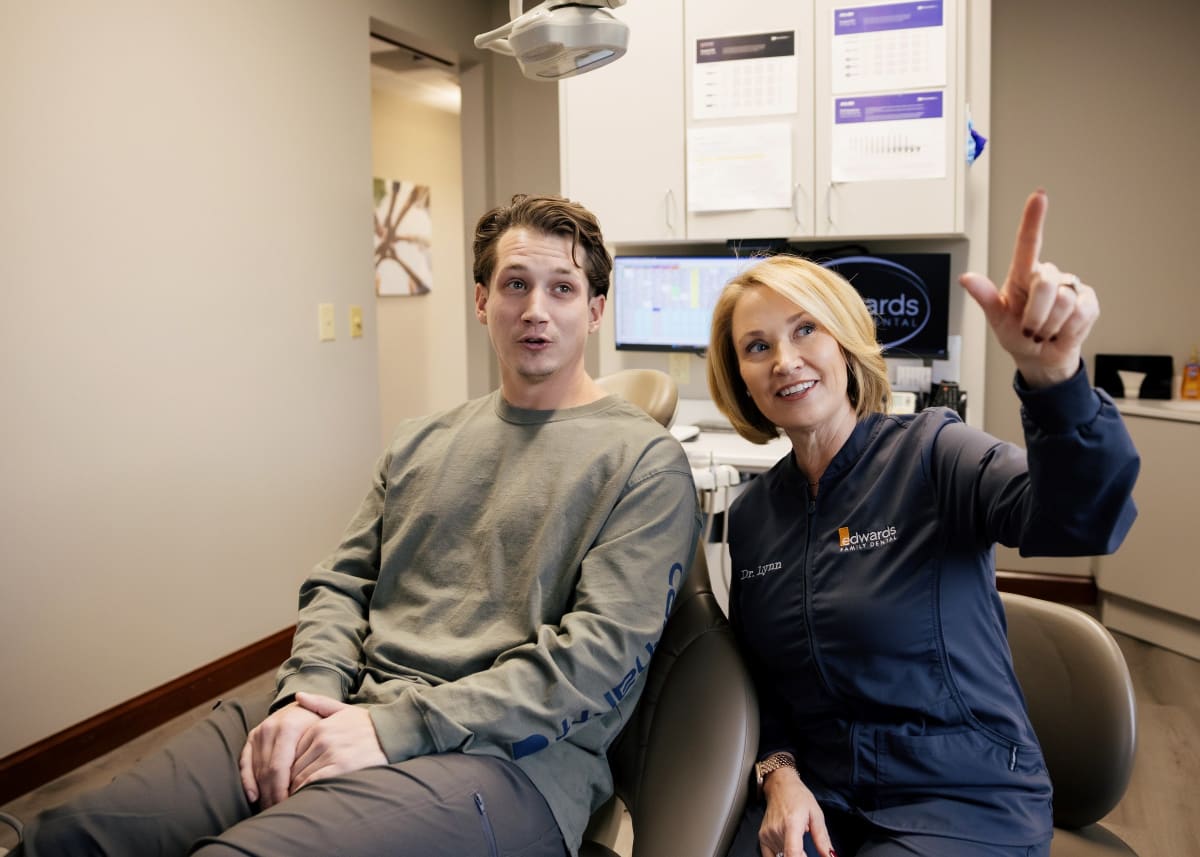

How Do You Know If You Need Braces?
Maybe that gap between your front teeth has been bothering you for years, or maybe you've noticed your child's teeth coming in crooked and wonder if it's time to act. The signs that indicate orthodontic treatment could benefit your smile are often more obvious than you think; some are immediately visible when you look in the mirror, while others reveal themselves through functional problems like difficulty chewing or persistent jaw discomfort.
We evaluate patients every day who wish they'd recognized these warning signs sooner, and the good news is that modern orthodontics offers more treatment options than ever before. Continue reading for a clear take on how to tell if you need braces.
Quick Overview
- Visible signs: Crooked teeth, gaps, crowding, and bite problems are the most obvious indicators you may need orthodontic treatment
- Hidden issues: Jaw pain, difficulty chewing, and speech problems can also signal alignment issues that braces can correct
- Early evaluation: Children should have their first orthodontic assessment by age 7, even if all permanent teeth haven't erupted yet
- Treatment options: Modern orthodontics offers various solutions from traditional metal braces to clear aligners, each with specific advantages
- Professional assessment: A comprehensive orthodontic evaluation includes X-rays, impressions, and detailed treatment planning tailored to your needs
What Are the Warning Signs That You Need Orthodontic Treatment?
Your teeth are like a puzzle where every piece should fit together perfectly. When that harmony gets disrupted, your mouth sends clear signals that something needs attention. Some of these signs are impossible to miss when you smile in the mirror; others reveal themselves through daily frustrations you might not immediately connect to tooth alignment.
The most obvious indicators involve visible misalignment that affects your smile's appearance. Severe crowding creates a domino effect where teeth twist, overlap, or push each other out of position because there simply isn't enough space. Large gaps between teeth, particularly in the front of your smile, can trap food and affect your confidence when speaking or laughing.
Bite problems present their own set of warning signs:
- Severe crowding: Teeth overlap, twist, or push each other out of position, creating cleaning challenges and increased decay risk
- Significant gaps: Large spaces between teeth that affect appearance or regularly trap food particles
- Protruding front teeth: Upper teeth that stick out noticeably, increasing injury risk and potentially affecting speech
- Deep overbite: Upper teeth completely cover lower teeth when biting down, potentially causing excessive wear
- Underbite: Lower teeth extend past upper teeth, affecting chewing function and jaw development
- Crossbite: Some upper teeth sit inside lower teeth instead of outside, causing uneven wear and jaw shifting
Beyond what you can see, functional problems often provide the strongest evidence that orthodontic treatment could help. Difficulty biting into an apple or chewing tough foods properly signals bite alignment issues; speech difficulties like lisping or trouble pronouncing certain sounds may stem from tooth positioning problems that treatment can address effectively.
Why Does Proper Dental Alignment Matter for Your Health?
While straight teeth certainly create a more attractive smile, proper alignment serves as the foundation for lifelong oral health. Think of your teeth like roof shingles: when they're properly positioned, they protect each other and work together efficiently; when they're misaligned, vulnerable spots develop that compromise the entire system.
Crooked or crowded teeth create hiding places where bacteria thrive beyond the reach of your toothbrush and floss. These bacterial colonies produce acids that erode enamel and irritate gums, significantly increasing your risk of cavities and gum disease. We see this pattern repeatedly: patients with alignment issues develop more dental problems despite diligent home care efforts.
Bite misalignment creates another set of health concerns. When your teeth don't meet properly, certain teeth bear excessive pressure during chewing while others barely make contact. This uneven distribution leads to premature wear, chips, and even tooth loss over time. Additionally, improper bite alignment strains jaw muscles and joints, potentially contributing to temporomandibular joint disorders, chronic headaches, and neck pain that can affect your daily quality of life.
How Can You Evaluate Your Orthodontic Needs?
While we always recommend professional evaluation for accurate diagnosis, you can perform a preliminary assessment to identify potential concerns. This self-examination helps determine whether it's time to schedule an orthodontic consultation.
Start by examining your smile in good lighting using a handheld mirror. Look for obvious crowding, spacing issues, or teeth that appear significantly out of line with their neighbors. Pay attention to how your upper and lower teeth meet when you close your mouth naturally; your upper teeth should slightly overlap your lower teeth, with the points of your upper molars fitting into the grooves of your lower molars like interlocking gears.
Follow this systematic evaluation process:
- Visual inspection: Check for crooked teeth, gaps, or teeth that protrude or appear pushed back compared to others
- Bite assessment: Close your mouth naturally and notice how teeth come together, checking for proper overlap and alignment
- Functional evaluation: Notice any difficulty chewing, biting, or speaking, plus any jaw pain or clicking sounds during movement
- Oral hygiene challenges: Identify areas consistently difficult to clean or spots where food frequently gets trapped (regular professional cleanings become even more important with alignment issues)
- Wear patterns: Look for signs of uneven tooth wear, chips, or areas wearing down faster than others
Remember that this self-assessment provides only a starting point. Many orthodontic issues aren't immediately apparent to the untrained eye, and some problems that seem minor can benefit significantly from professional treatment. Comprehensive evaluation with a practice like Edwards Family Dental remains essential for determining your true orthodontic needs and treatment options.
When Should You Consider Braces Consultation for Your Child?

The American Association of Orthodontists recommends children have their first orthodontic evaluation by age 7, even though most still have many baby teeth at this stage. This timing allows us to spot developing problems and determine optimal treatment timing while the jaw is still growing and more responsive to guidance.
Early evaluation doesn't necessarily mean immediate treatment. In many cases, we recommend monitoring your child's development and waiting until more permanent teeth have erupted before beginning active intervention. However, certain conditions benefit from early treatment during active growth periods when we can guide jaw development more effectively.
Consider early consultation for these specific situations:
- Severe crowding: When permanent teeth clearly won't have adequate space, early intervention might guide proper eruption patterns
- Crossbite issues: These can affect proper jaw development and may benefit from correction during active growth
- Protruding front teeth: Early treatment reduces injury risk to prominent upper teeth while improving function
- Jaw growth problems: Significant discrepancies in jaw size or position are often easier to address during growth spurts
- Harmful habits: Thumb sucking, tongue thrusting, or other behaviors that affect tooth position and jaw development
At Edwards Family Dental, with over 30 years of experience serving Dublin families, we understand that timing is crucial for pediatric orthodontic care. Our three experienced doctors work closely with families to monitor development and recommend the best timing for each individual child, ensuring they receive the most effective treatment at the appropriate stage of their growth. To schedule your child's orthodontic evaluation, call (614) 761-7666.
Which Is Right for You: Traditional Metal Braces or Clear Aligners?
Modern orthodontics offers several treatment approaches, each with distinct advantages depending on your specific needs, lifestyle, and preferences. Understanding the differences between traditional braces and clear aligners helps you make informed decisions about your treatment journey.
Traditional metal braces remain the gold standard for complex orthodontic cases. They consist of metal brackets bonded to your teeth and connected by wires that gradually guide teeth into proper position. While more visible than other options, today's braces are significantly smaller and more comfortable than previous generations.
Here's how the main treatment options compare:
- Traditional metal braces: Most effective for complex cases, work continuously, and often provide the most cost-effective option for comprehensive treatment
- Clear aligners: Nearly invisible removable trays that work well for mild to moderate alignment issues while offering lifestyle flexibility
- Treatment duration: Traditional braces often work faster for complex cases; aligners may take longer but offer more comfort and convenience
- Maintenance requirements: Braces require careful cleaning around brackets and wires; aligners need removal for eating and regular cleaning
- Lifestyle considerations: Aligners allow normal eating and are removable for special occasions; braces require dietary modifications
The choice between treatment options depends heavily on your specific orthodontic needs. Complex bite issues, severe crowding, or significant tooth rotations often respond better to traditional braces. However, for adults and teens concerned about appearance, clear aligners can provide excellent results for appropriate cases. At Edwards Family Dental, we can help you determine which orthodontic approach aligns best with your goals and lifestyle.
What Should You Expect During Your Orthodontic Evaluation?
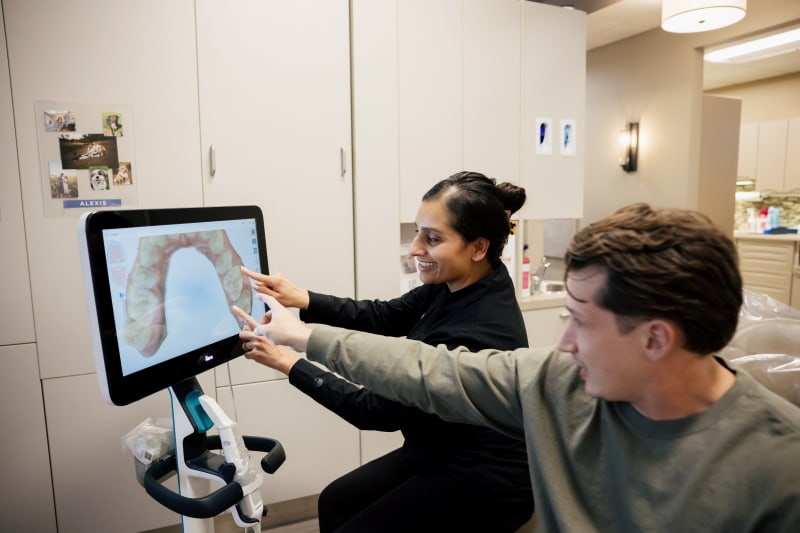
Understanding the orthodontic consultation process helps ease anxiety and ensures you're prepared to make the most of your appointment. Our comprehensive evaluation involves several steps designed to assess your current situation and develop an optimal treatment plan tailored to your needs.
Your initial consultation begins with a thorough clinical examination where we assess your teeth, bite, jaw alignment, and overall oral health. We look for signs of crowding, spacing issues, bite problems, and any other factors that might influence treatment recommendations.
Here's what happens during your visit:
- Clinical examination: Visual and physical assessment of your teeth, bite, jaw alignment, and oral health status
- X-rays: Detailed images revealing tooth roots, jaw bone structure, and hidden issues not visible during clinical examination
- Impressions or molds: Precise models of your teeth that allow detailed treatment planning and progress monitoring
- Photographs: Clinical images documenting your current situation and helping track progress throughout treatment
- Treatment planning discussion: Review of findings, treatment options, timeline expectations, and investment considerations
The X-rays taken during your evaluation provide crucial information invisible during clinical examination. These images reveal tooth root positions, supporting bone structure condition, and any impacted or missing teeth that might affect treatment planning. This imaging helps ensure your treatment plan addresses not just visible issues but also underlying structural considerations.
Many people are surprised by how much detailed planning goes into orthodontic treatment. We use all gathered information to create a customized treatment plan addressing your specific needs, timeline, and goals. This comprehensive approach ensures you understand exactly what to expect throughout your treatment journey.
What Are Common Concerns About Orthodontic Treatment?
Many people delay orthodontic evaluation due to misconceptions about treatment, cost, or discomfort. Understanding the realities of modern orthodontic care helps you make informed decisions based on facts rather than outdated assumptions.
One common misconception is that orthodontic treatment is only for children and teenagers. In reality, about one in five orthodontic patients is an adult. Adult treatment has become increasingly popular as people recognize the health and confidence benefits of properly aligned teeth; modern treatment options like clear aligners have made orthodontic care more appealing and practical for adult lifestyles.
Another frequent concern involves treatment duration and discomfort. While orthodontic treatment requires time and commitment, most people find any initial discomfort is manageable and temporary. Modern techniques and materials have significantly reduced discomfort associated with orthodontic treatment; most people adapt quickly to their appliances and experience minimal ongoing issues.
Investment concerns are also common, but understanding your insurance benefits can help make treatment more accessible. As Delta Dental premiere providers, we get detailed breakdowns of insurance benefits for all our patients to help them determine how they can use their dental benefits. When considering cost, factor in the long-term benefits of proper alignment, including reduced risk of dental problems that could be more expensive to treat later. For families dealing with cavity risks, proper alignment can make prevention significantly more effective.
How Can You Prepare for Orthodontic Treatment?
If you're considering orthodontic treatment, taking preparatory steps can help ensure the best possible outcome and smoothest treatment experience. These practical considerations can make a significant difference in your treatment journey success.
- Optimize your oral health: Address any existing dental issues like cavities or gum disease before beginning orthodontic treatment
- Research your options: Learn about different treatment types and consider which might fit best with your lifestyle and preferences
- Plan your timeline: Consider important events, travel plans, or life changes that might affect your treatment schedule
- Understand the commitment: Successful orthodontic treatment requires consistent compliance with appointments and care instructions
- Prepare questions: Write down concerns or questions to discuss during your consultation to ensure you get all needed information
At Edwards Family Dental, our experienced team can help you understand what to expect and prepare for your orthodontic journey. Contact our Dublin office at (614) 761-7666 to schedule your consultation and take the first step toward your best smile.
Frequently Asked Questions
How Long Does Orthodontic Treatment Typically Take?
Treatment duration varies significantly based on case complexity and treatment type chosen. Most comprehensive treatments take between 18 to 24 months, though some cases may be shorter or longer. At Edwards Family Dental, we'll provide a more specific timeline after evaluating your individual situation during consultation.
Is Orthodontic Treatment Painful?
Modern orthodontic treatment involves minimal discomfort. You may experience some pressure or soreness for a few days after getting braces or switching to new aligners, but this typically subsides quickly. Over-the-counter pain relievers and soft foods can help manage any temporary discomfort effectively.
Can Adults Get Braces, or Is It Too Late?
It's never too late for orthodontic treatment! Adult orthodontics has become increasingly common, with many treatment options designed specifically for adult lifestyles. As long as your teeth and gums are healthy, age isn't a barrier to achieving a straighter, healthier smile.
How Much Does Orthodontic Treatment Cost?
Treatment investment varies based on case complexity and treatment type chosen. As Delta Dental premiere providers, we work with most insurance companies and can provide detailed breakdowns of your dental benefits to help you understand your coverage. We recommend discussing your specific situation during your consultation.
Will You Need to Wear a Retainer After Treatment?
Yes, retainers are essential for maintaining your results after active treatment ends. Your teeth have a natural tendency to shift back toward their original positions, so wearing retainers as directed helps preserve your beautiful new smile long-term.
Taking the Next Step Toward Your Best Smile

Recognizing the signs that indicate you might benefit from orthodontic treatment is the first step toward achieving better oral health and increased confidence. Whether you're noticing crowding, spacing issues, bite problems, or simply want to improve your smile's appearance, professional evaluation can provide the answers you need.
Modern orthodontic care offers more options than ever before, from traditional braces to clear aligners, each designed to address different needs and lifestyles. The key is working with experienced professionals who can assess your unique situation and recommend the most appropriate treatment approach.
At Edwards Family Dental, we understand that considering orthodontic treatment is a significant decision. Our experienced team, with over 30 years of practice experience, is committed to providing thorough evaluations and clear explanations of your options.
We believe that everyone deserves a confident smile that can change their day and are here to help you achieve that goal. Contact our Dublin office at (614) 761-7666 to schedule your consultation and take the first step toward the smile you've always wanted.

Staff 2005

Staff 2025

20 Year Celebration
Barbecue, ice cream truck, lawn games, freebies, meet & greet with Dr. Edwards, and more!
We Can’t Wait to Meet You!
Call 614-761-7666 or request an appointment online to set up your first visit. We’ll be in touch soon.